

Updates
A message from Dr. Kunchok Dorjee
Ongoing Work: Zero TB in Kids
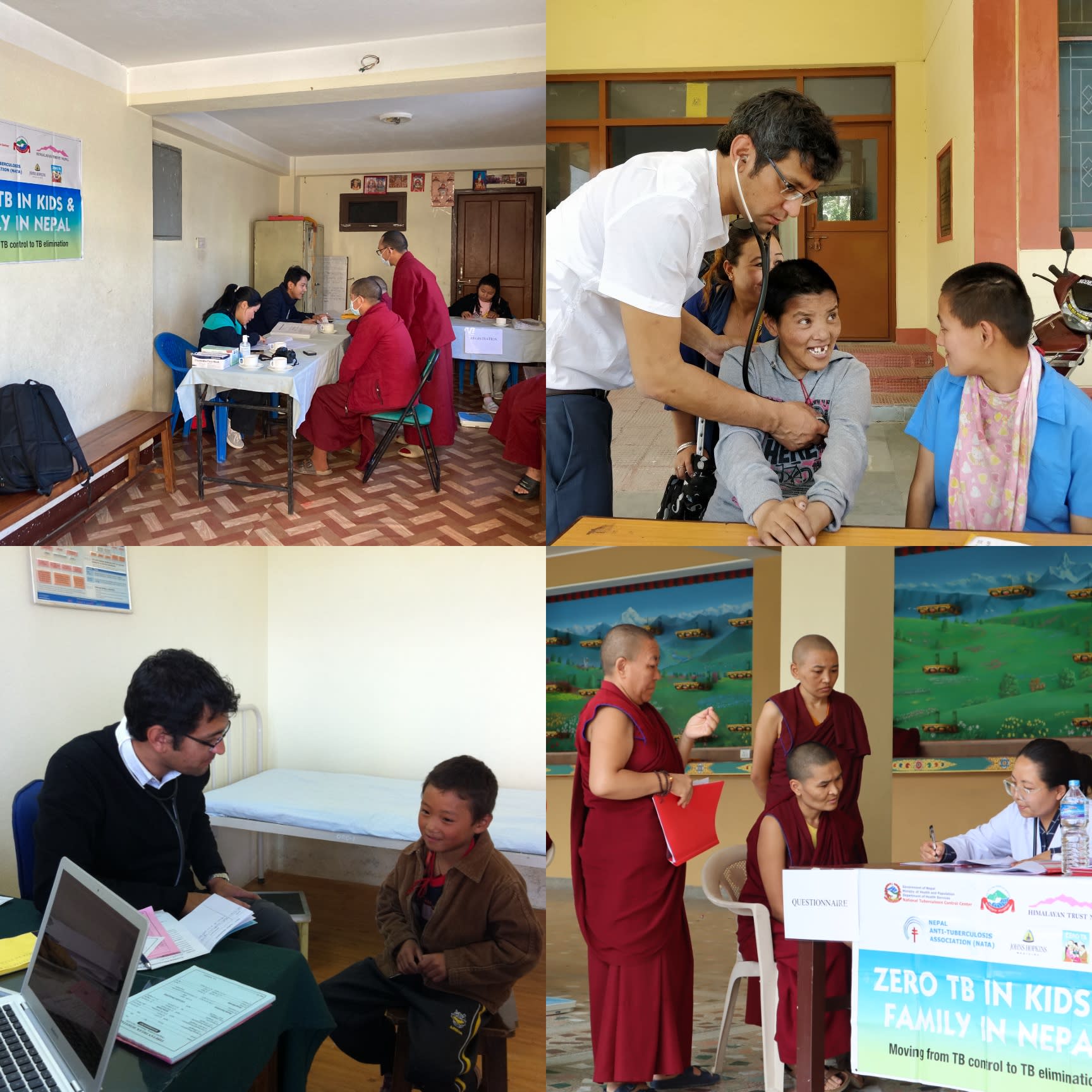
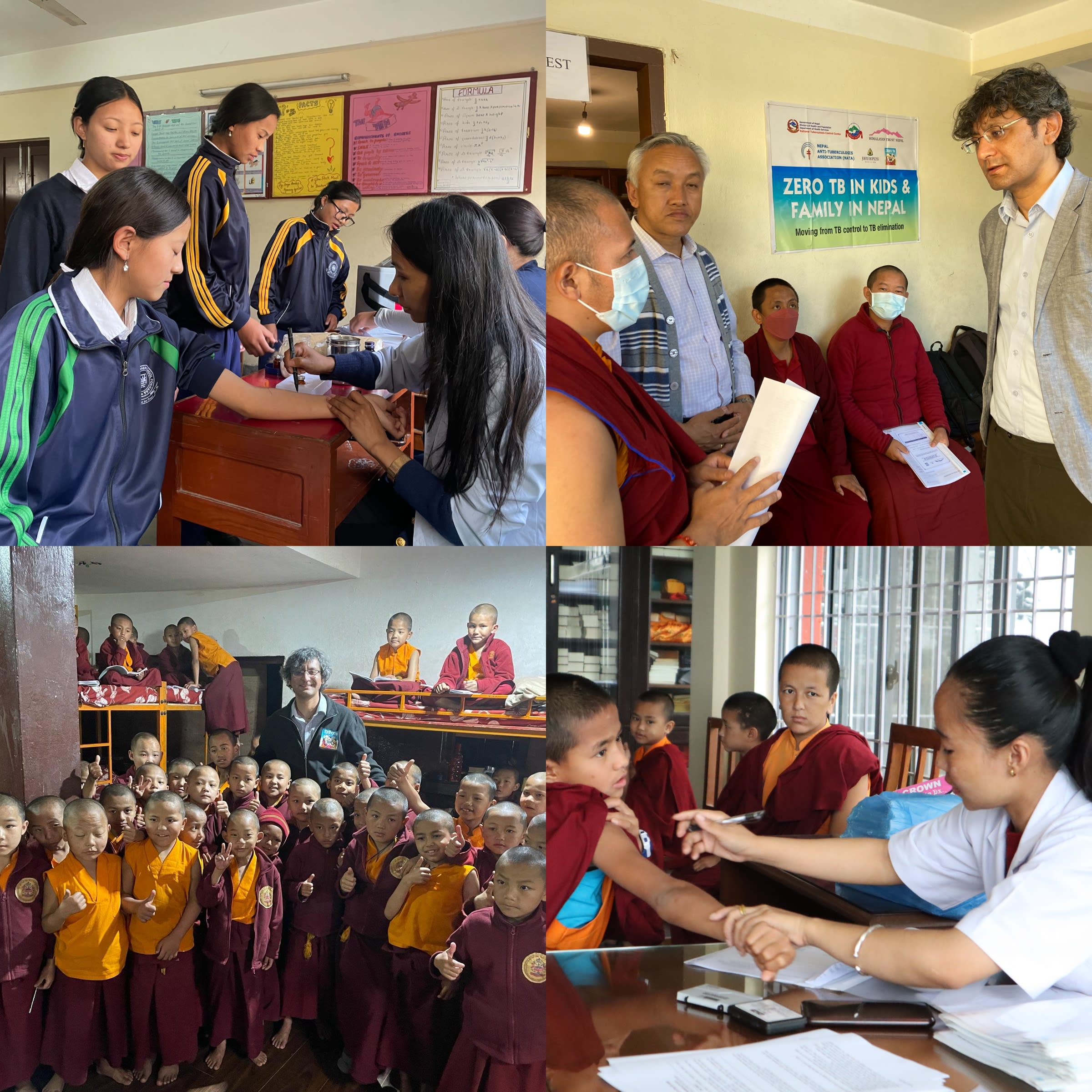
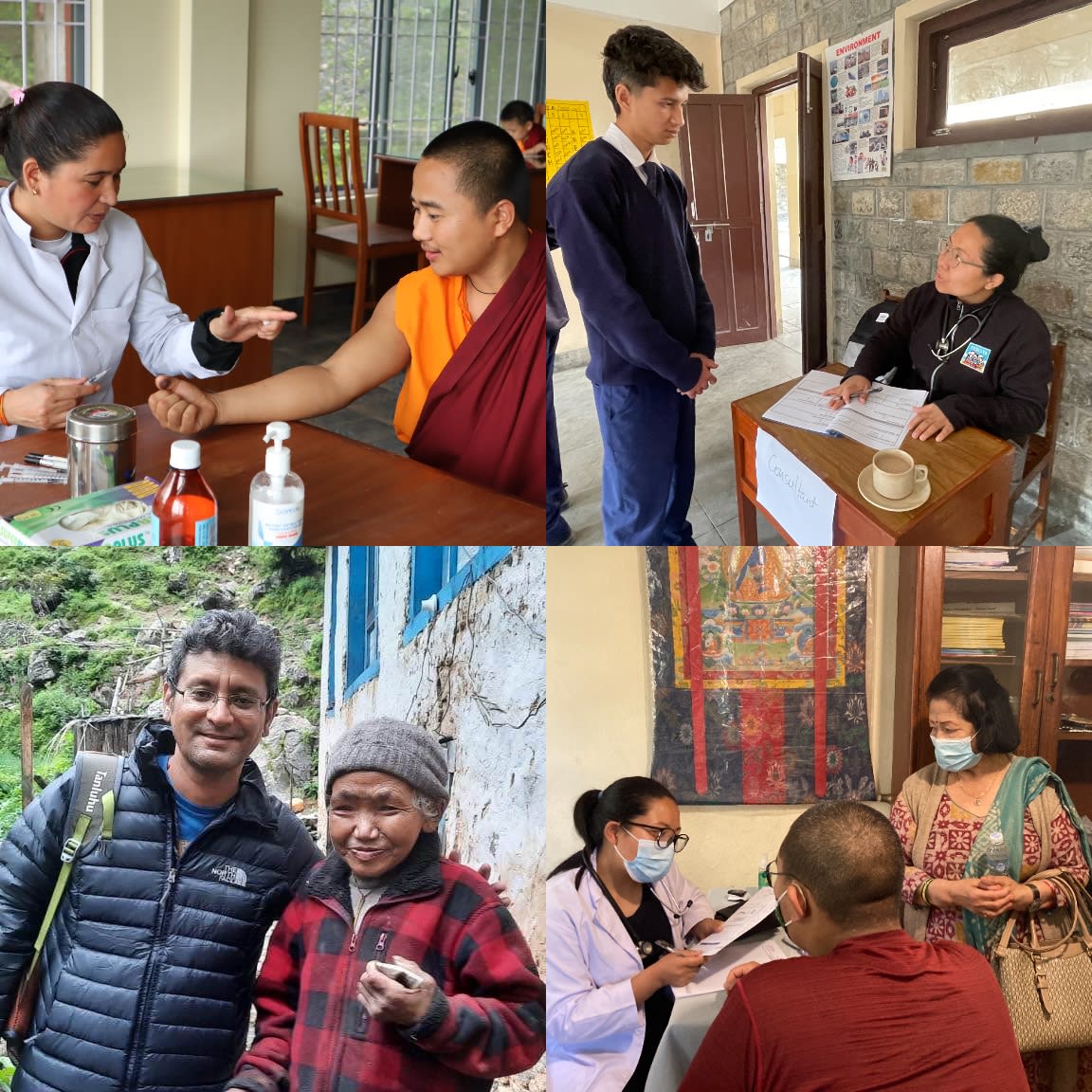
Since 2017, Zero TB in Kids has screened more than 30,000 children, adolescents, and their communities for tuberculosis across monasteries, boarding schools, and refugee settlements in South Asia — reducing TB cases by more than 80% in the communities. As we respond to the Nepal-Tibet floods, we will mobilize the infrastructure, capacity, resources, and community trust built over the years to bring relief and help to the displaced and vulnerable children in Rasuwa and other flood affected areas.
Ongoing Work: Smart Kids Initiative
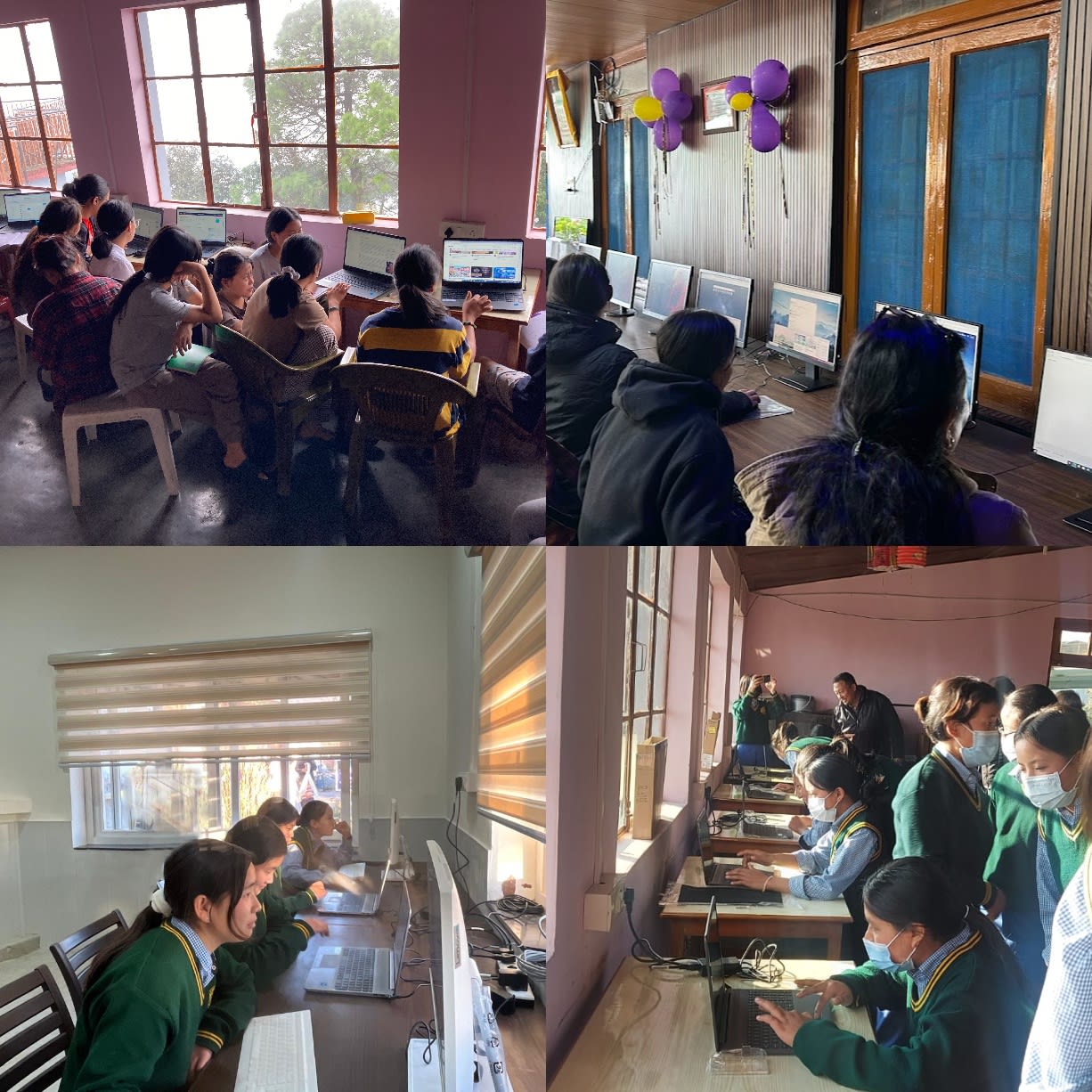
Founded in 2021, the Smart Kids Initiative at Johns Hopkins University supports children's education and wellbeing through computers, internet access, and learning programs led in part by schoolgirls — reaching students who are orphans, semi-orphans, or from families separated across Tibet, Nepal, and India. As schools in Rasuwa and Nuwakot were destroyed by the floods, SKI is a proven model for helping children keep learning through crisis and its aftermath.
Ongoing Work: Stomach Cancer Prevention in Nepal
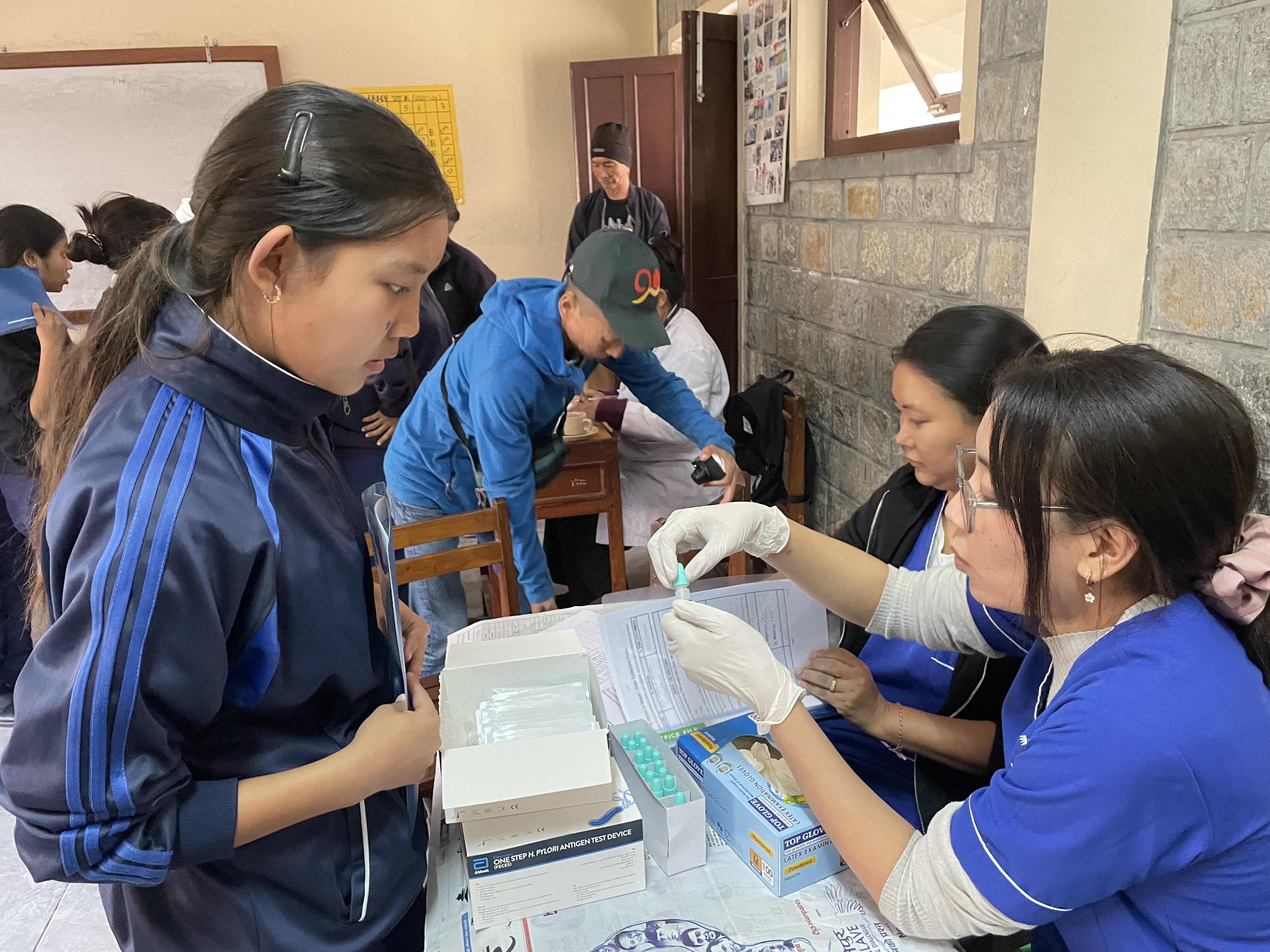
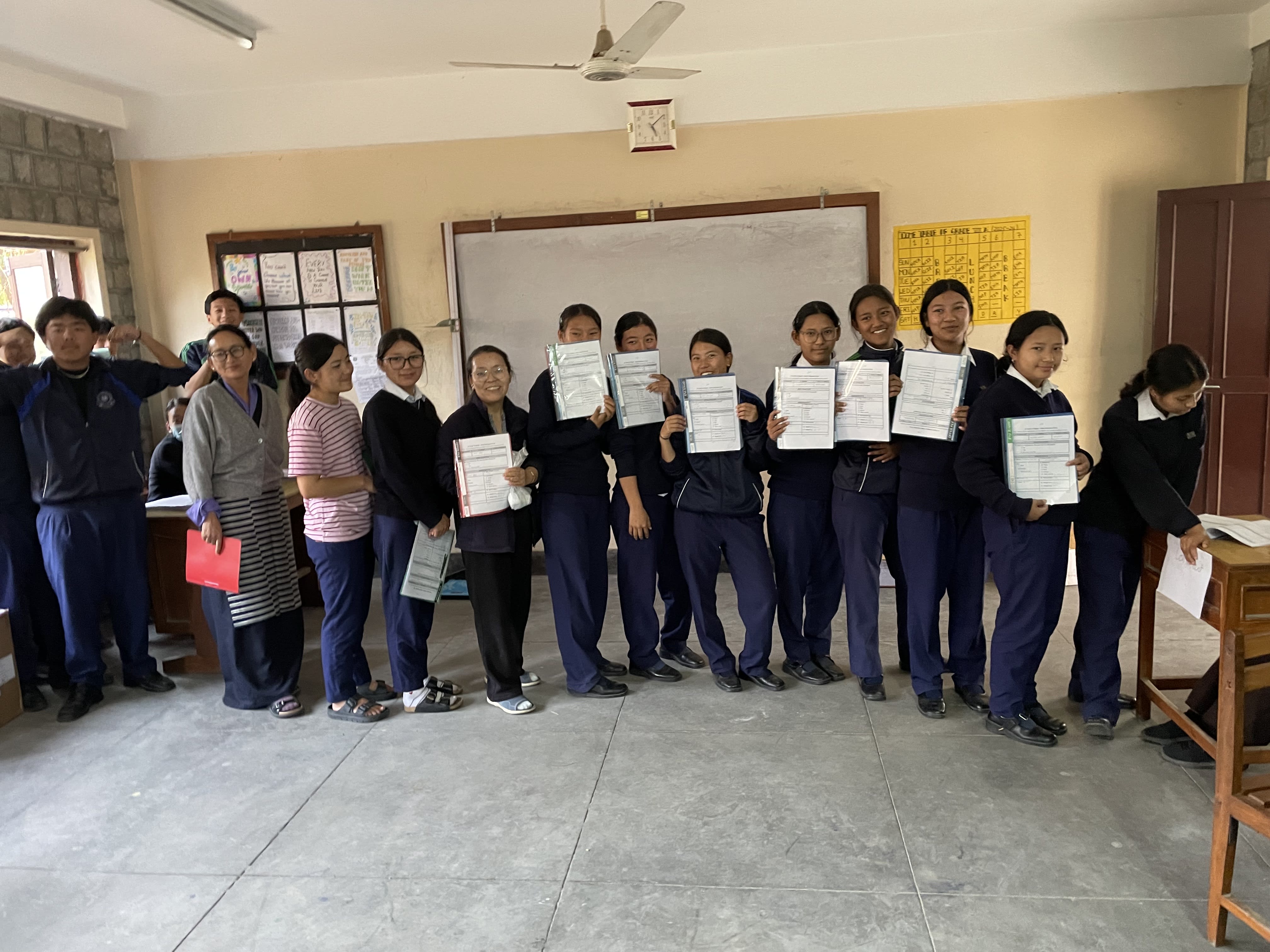
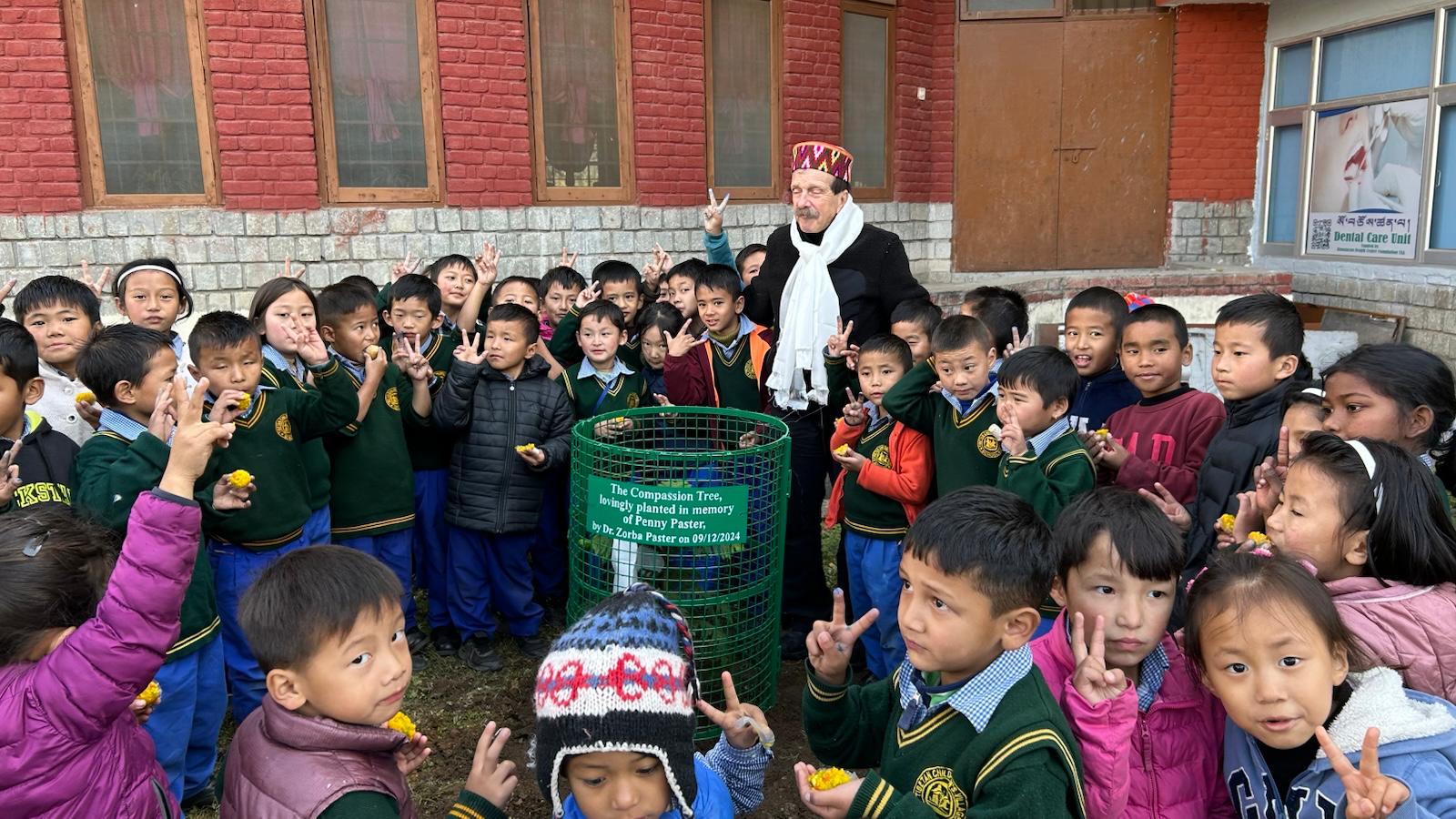
Stomach cancer is a leading cause of death for the Tibetan and Himalayan populations. Infection with Helicobacter pylori can cause stomach cancer. Therefore, we have partnered with the Himalayan communities in Nepal to screen for H. Pylori infection in six districts of Nepal and provide treatment. Our mobile screening team travels between schools, monasteries, nunneries and villages to carry out the project. The initiative provides free of cost diagnosis and treatment to the communities affected by H. pylori infection, with the prospect of understanding prevalence, treatment response, drug resistance, and risk factors for H. Pylori infection. By understanding factors associated with development of stomach cancer, the project seeks to prevent gastric cancer through early detection and treatment.